
Northumberland's average property prices sit well below the England-wide figure, which means most buyers here pay a good deal less stamp duty than they brace themselves for. Yet Stamp Duty Land Tax (SDLT) is still one of the most misunderstood costs of buying a home — and getting the sum wrong by even a few thousand pounds can throw off a budget at exactly the wrong moment. Here's exactly how it works for buyers purchasing in Northumberland in 2026, and what it means for the kind of properties actually on the market here.
How stamp duty is actually calculated
Stamp duty isn't charged as a single flat percentage of the purchase price. It works in bands, like income tax — you only pay the higher rate on the portion of the price that falls within each band, not on the whole amount. For a standard residential purchase in England, the current bands are:
- 0% on the portion up to £125,000
- 2% on the portion between £125,001 and £250,000
- 5% on the portion between £250,001 and £925,000
- 10% on the portion between £925,001 and £1.5 million
- 12% on anything above £1.5 million
So a £220,000 purchase — a realistic figure for plenty of two- and three-bedroom homes across Morpeth, Cramlington and Blyth — pays 0% on the first £125,000 and 2% on the remaining £95,000. That's £1,900 total, not the £4,400 a flat 2% guess might suggest.
Property services in Northumberland
- Estate agents in Northumberland
- Sell my house in Northumberland
- Free property valuation in Northumberland
- Conveyancing solicitors in Northumberland
- Mortgage advisers in Northumberland
- Property surveys in Northumberland
Find out what your home is really worth
Book a Selling Advice Meeting and Valuation with Our Agents. An honest figure for your home, a clear plan to sell it, and our complete selling package at £1,299.
Book a valuationWhy this matters more in Northumberland than in the South East
The 5% band doesn't start until £250,000, and a large share of the property we list across Northumberland — from terraces in Ashington to family semis in Ponteland — sells comfortably under that threshold. Buyers moving up from the South East, or from Newcastle's pricier postcodes, are often pleasantly surprised at how far their stamp duty budget stretches once they see the real bill against a Northumberland price tag, rather than the number they'd have paid on a similar-sized home further south.
First-time buyer relief
If you've never owned a property before, anywhere in the world, you likely qualify for first-time buyer relief. Under the current rules, first-time buyers pay 0% up to £300,000, and 5% on the portion between £300,001 and £500,000. If the price goes above £500,000, the relief disappears entirely and standard rates apply from £0.
In practice, this means most first-time buyers purchasing in towns like Amble, Alnwick or Blyth — where typical starter homes sit well under £300,000 — pay no stamp duty at all. It's one of the more meaningful, and least talked-about, advantages of buying your first home in Northumberland rather than in a higher-priced part of the country.
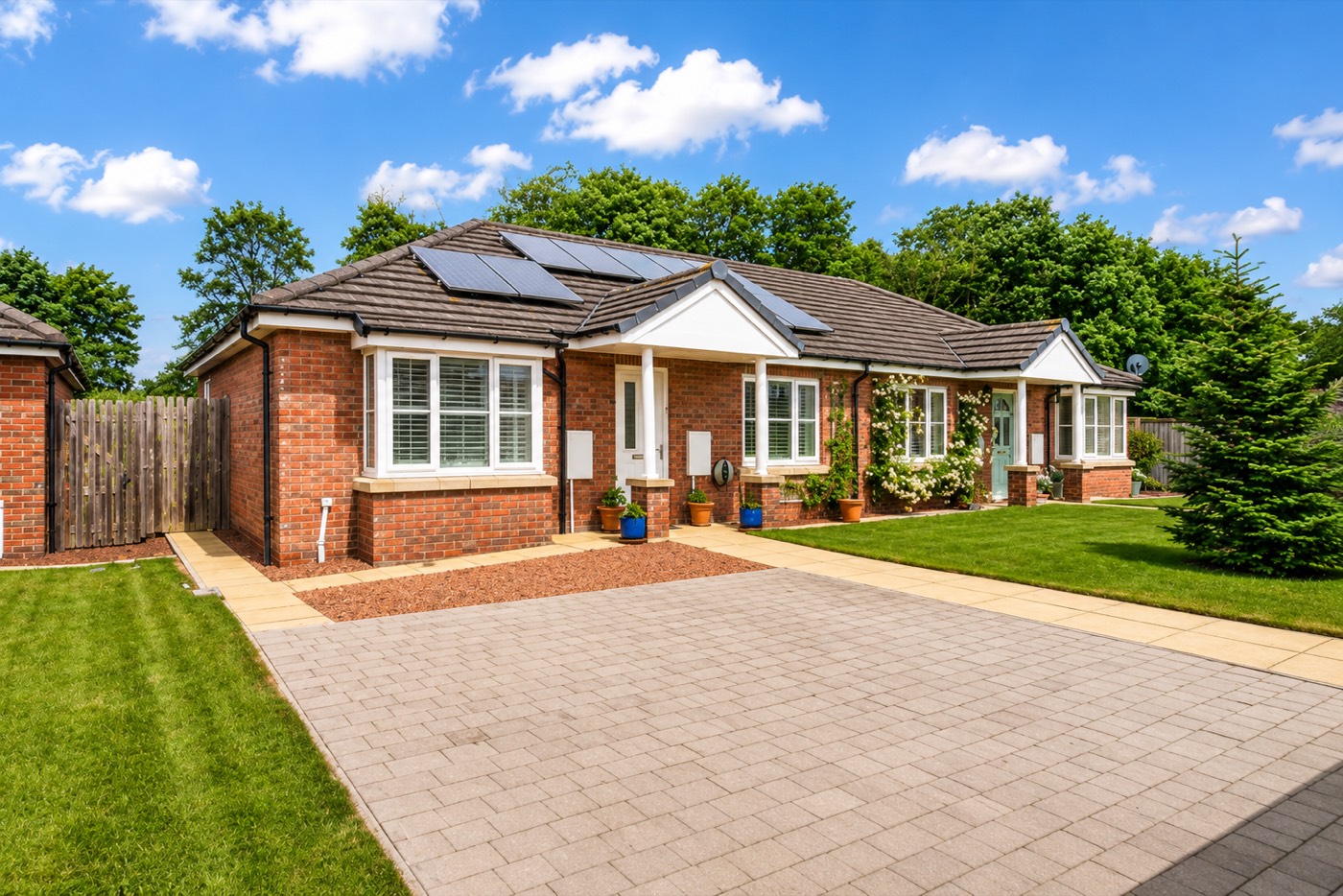
A large share of Northumberland's property market sits comfortably under the thresholds where stamp duty starts to bite.
Buying a second home or investment property
If the property you're buying won't be your only residential property — a second home, a buy-to-let, or a property bought before you've sold your current one — a 5 percentage point surcharge applies on top of every standard band. That takes the rates to 5%, 7%, 10%, 15% and 17% respectively. This catches out more buyers than you'd think, particularly those completing a purchase before their existing home has sold; if you sell your previous main residence within three years, you can normally reclaim the surcharge portion.
What this means when you're budgeting to buy
Stamp duty is due within 14 days of completion, so it needs to be part of your mortgage and cash planning from the start — not an afterthought once an offer's been accepted. Getting a proper figure for your specific purchase, rather than working from a rough percentage, is one of the simplest ways to avoid a nasty surprise midway through a sale. It's one of the first things we talk through with buyers registering their search with us, alongside realistic guide prices for the towns and villages they're considering.
If this purchase depends on selling your current home first, that's the natural place to start — with an honest, no-obligation valuation of what you have to sell.
Book a Selling Advice Meeting and Valuation