Amble sits at the mouth of the River Coquet, around 30 miles north of Newcastle, where the river meets the North Sea in a tangle of rigging, fishing boats and sea air. Locals call it the friendliest port — and after even a brief visit, it is easy to see why. For buyers who want to trade the commuter belt for something with a soul, Amble is one of Northumberland's best-kept secrets.
The harbour and the coast
Amble's working harbour is the town's heartbeat. Local fishing boats bring in their catch daily, the quayside fish stalls are the real thing, and the views across to Coquet Island — home to England's only roseate tern colony and a thriving puffin population — stop even long-time residents in their tracks. Just south of the harbour, Amble Links and the dunes stretch down towards Druridge Bay, one of the longest and least crowded beaches in the North East. North of the town, Warkworth is a five-minute drive: a castle rising over the Coquet, a medieval hermitage carved into the river bank, and a main street that looks exactly as it should.
Step out of almost any front door in Amble and the North Sea is within walking distance. That simple fact changes how a place feels to live in.
A town with real community
Amble is not a holiday village that empties in October. It has a Morrisons and everyday essentials, but also a growing cluster of independent cafés, a gin distillery, a marina-side restaurant scene and a farmers' market that draws in buyers from surrounding villages. The twice-yearly Puffin Festival has become a genuine local tradition, and the community feel that outsiders tend to comment on first is something residents quietly take for granted.
Schools and getting around
Amble's primary school has a strong local reputation, and older children typically move on to James Calvert Spence College in Amble itself, with further sixth-form options in Alnwick and Morpeth. The A1068 coastal road connects Amble to Alnwick (around 8 miles north) and to the A1 and the wider road network south. Morpeth, with its mainline rail connection, is roughly 17 miles. It is fair to say Amble rewards those with a car — public transport is available but limited — which keeps it genuinely rural in character while remaining practical for most working households.
Who is buying in Amble?
Amble attracts a broad mix. Families moving from Tyneside for more space and a different pace of life. Retirees from across the UK drawn by the coast and the relatively accessible prices compared with similar coastal towns further south. Remote workers who discovered during recent years that a harbour view and fast broadband can coexist. And a smaller number of buyers seeking a second home or holiday let, though the town's permanent community is the main story.
The property market
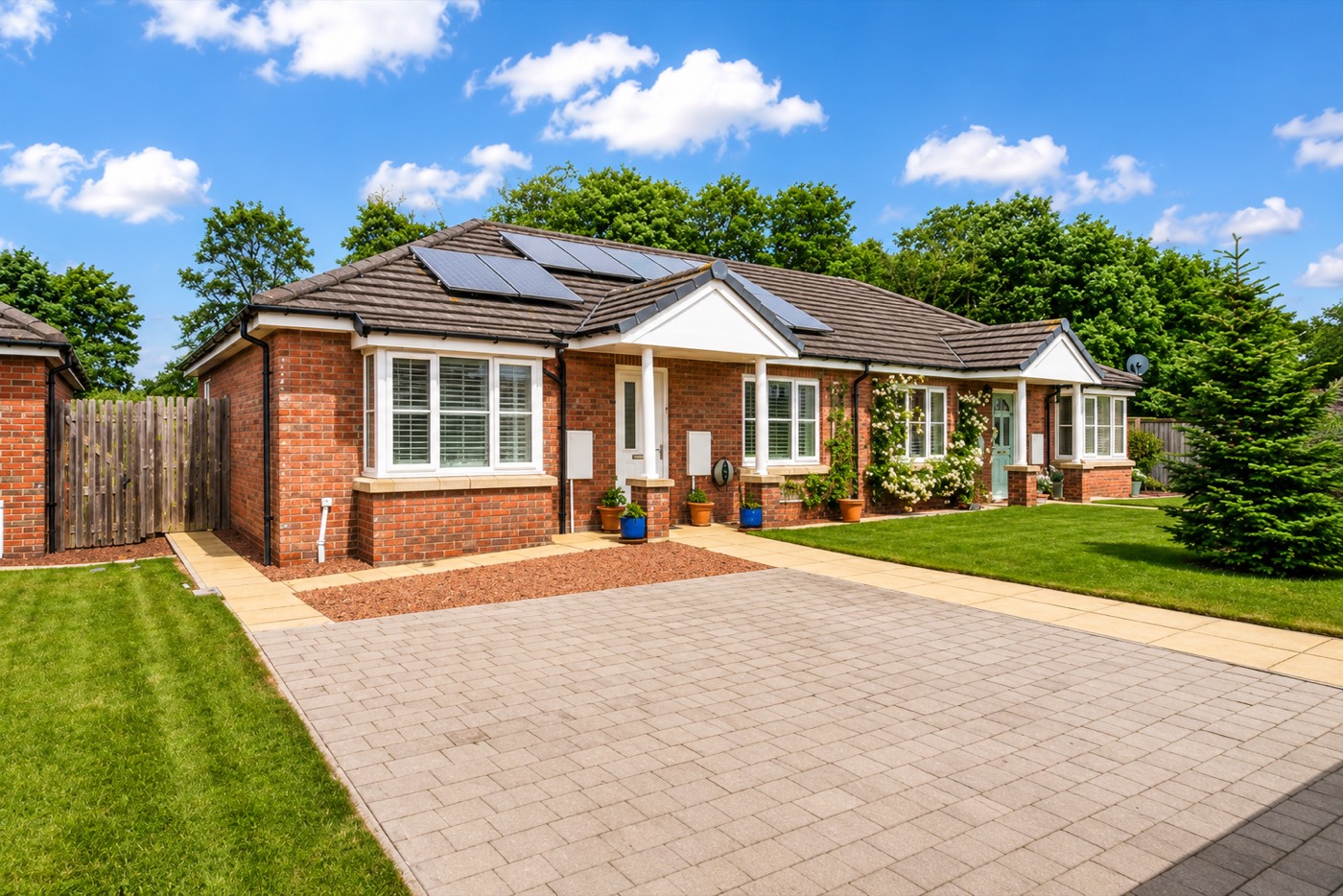
Amble offers a mix that few coastal towns can match: fishermen's cottages in the original town centre, Victorian and Edwardian terraces on the streets running back from the quay, 1970s and 1980s estates offering family space at sensible prices, and newer builds on the marina and at the town's edge. The range means Amble suits first-time buyers, upsizers and downsizers alike. Well-presented homes close to the harbour and with sea views are consistently the most sought-after — and in a market where demand from outside the region plays a meaningful role, presentation and a managed launch matter. Our sellers average just 14 days to sale agreed — against 77 days nationally — and Featured Rightmove listings receive up to 85% more views than standard listings; in a town like Amble, where buyer interest is high and first impressions count, that difference is felt.
Thinking of buying or selling in Amble?
We cover Amble and the surrounding coast as part of our core Northumberland patch. If you are weighing up a move, want an honest view of what your property is worth, or simply want to understand whether Amble is the right fit, we would be glad to help — no pressure, no obligation.